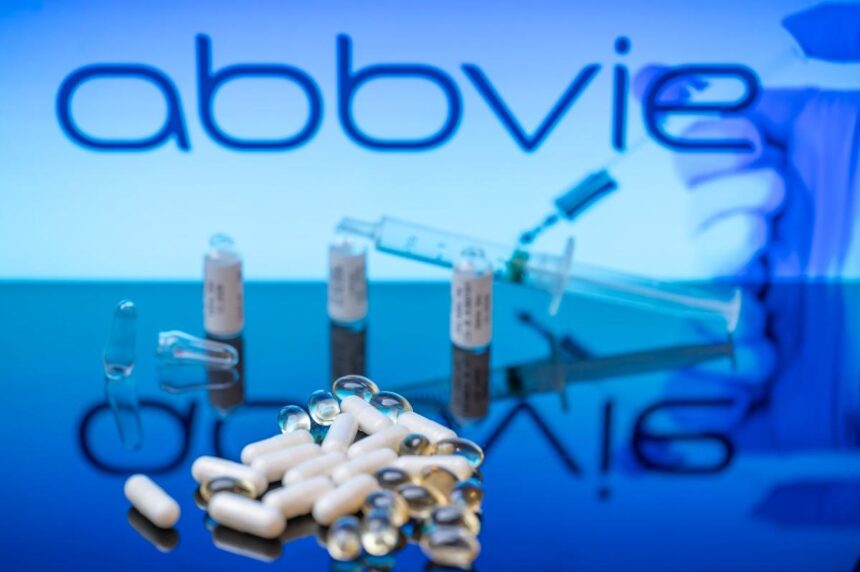
Under the three-year deal, AbbVie agreed to reduce prices for certain Medicaid drugs and expand distribution through the TrumpRx direct-to-patient platform. In exchange, the company received exemptions from pharmaceutical import tariffs and future price controls, while pledging to invest $100 billion over the next decade in U.S.-based research, development and capital projects, with manufacturing explicitly included in that pledge.
Although AbbVie has not detailed how the $100 billion will be allocated, the focus on domestic production aligns with the administration’s push to reshoring pharmaceutical manufacturing and reduce reliance on foreign supply chains. The company’s recent $175 million acquisition and modernization of a device manufacturing facility in Tempe, Arizona, designed to support both current and next-generation immunology and neuroscience therapies, offers an early indication of how that investment may begin to materialize.
With about 29,000 employees in the U.S., AbbVie is expected to channel a significant portion of its new capital toward expanding biologics manufacturing capacity, improving production technologies and improving supply chain resilience. These investments reflect a broader industry trend in which manufacturing scale and reliability have become strategic assets rather than back-end operations, especially as complex and combination biologics come to dominate pipelines.
From a political standpoint, the AbbVie deal fits a broader pattern. Major pharmaceutical companies are accepting selective price concessions in exchange for long-term certainty on tariffs and regulatory oversight. For AbbVie, exemptions from future pricing mandates and import tariffs provide greater flexibility to expand domestic production and packaging operations, while preserving resources for the development of its portfolio.
The deal also represents a significant expansion of AbbVie’s previously announced US investment plans, surpassing the $10 billion commitment revealed last year. In this context, manufacturing is not simply a compliance measure; is critical to AbbVie’s position within the current political landscape.
The AbbVie deal joins a growing list of “most favored nation” agreements between the administration and major drugmakers, including Amgen, Boehringer Ingelheim, Bristol Myers Squibb, Genentech (Roche), Gilead Sciences, GSK, Merck, Novartis and Sanofi. Each of them has agreed to selectively reduce the prices of certain US drugs in exchange for reduced tariffs and greater predictability of their policies.
Taken together, these agreements suggest that drug pricing negotiations in the United States are no longer focused solely on list prices or reimbursements. Domestic manufacturing investment has become a key factor in shaping policy decisions.