Wednesday, 17 Jun 2026
Hot News
Access to this page has been denied.
Saudi Arabia vs. Uruguay Prediction, Odds, Picks For World Cup Match
Ebola risk for World Cup is ‘extremely low’, but US is ready, experts say | World Cup 2026 News
UFC Fighter Sean Strickland Escorted Out of UFC Fan Fest Event
Is Broadcom Inc. (AVGO) A Good Stock To Buy Now?
Get Fast News Updates – Stay Ahead with USA Blogger
  • Home
  • Business
    • Realtor
    • CEO
    • Founder
    • Entrepreneur
    • Journalist
  • Health
    • Doctor
    • Beauty cosmetics
    • Plastic Surgeon
  • Entertainment
  • Sports
    • Coach
    • Athlete
    • Fitness trainer
  • Life Style
  • 🔥
  • USA News
  • International News
  • Politics News
  • Cryptocurrency
  • Technology
  • Travel
Font ResizerAa
Get Fast News Updates – Stay Ahead with USA BloggerGet Fast News Updates – Stay Ahead with USA Blogger
  • Home
  • USA
  • International
  • Business
  • Crypto
  • Economy
  • Entertainment
  • Health
  • Life Style
  • Politics
  • SocialMedia
  • Sports
  • Technology
  • Travel
Search
  • Home
  • USA
  • International
  • Business
    • Realtor
    • CEO
    • Founder
    • Entrepreneur
    • Journalist
  • Crypto
  • Economy
  • Entertainment
  • Health
    • Doctor
    • Plastic Surgeon
    • Beauty cosmetics
  • Life Style
  • Politics
  • SocialMedia
  • Sports
    • Athlete
    • Coach
    • Fitness trainer
  • Technology
  • Travel
Follow US
©2025 USA Bloger . All Rights Reserved.
Get Fast News Updates – Stay Ahead with USA Blogger > Blog > Business > AbbVie’s $100bn deal aligns drug pricing with domestic manufacturing goals
Business

AbbVie’s $100bn deal aligns drug pricing with domestic manufacturing goals

Robert Adams
Robert Adams
Share
SHARE

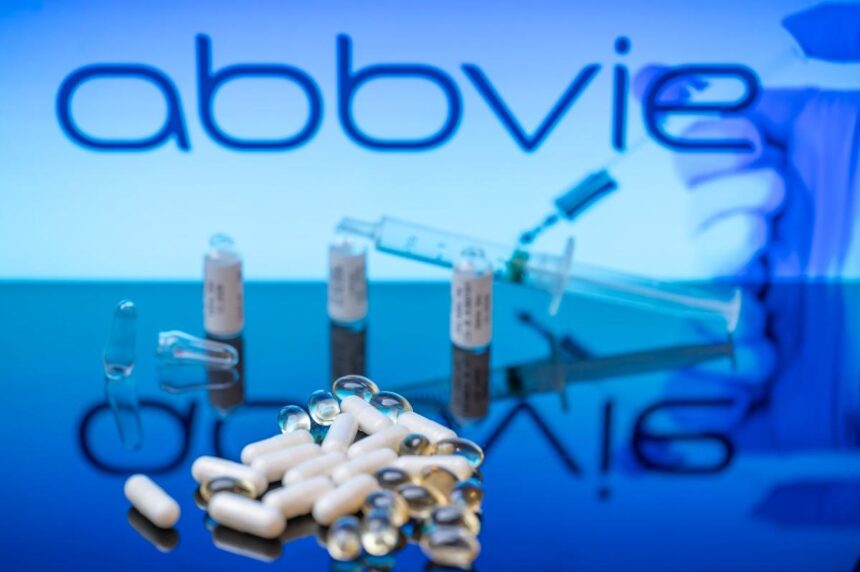
Under the three-year deal, AbbVie agreed to reduce prices for certain Medicaid drugs and expand distribution through the TrumpRx direct-to-patient platform. In exchange, the company received exemptions from pharmaceutical import tariffs and future price controls, while pledging to invest $100 billion over the next decade in U.S.-based research, development and capital projects, with manufacturing explicitly included in that pledge.

Although AbbVie has not detailed how the $100 billion will be allocated, the focus on domestic production aligns with the administration’s push to reshoring pharmaceutical manufacturing and reduce reliance on foreign supply chains. The company’s recent $175 million acquisition and modernization of a device manufacturing facility in Tempe, Arizona, designed to support both current and next-generation immunology and neuroscience therapies, offers an early indication of how that investment may begin to materialize.

With about 29,000 employees in the U.S., AbbVie is expected to channel a significant portion of its new capital toward expanding biologics manufacturing capacity, improving production technologies and improving supply chain resilience. These investments reflect a broader industry trend in which manufacturing scale and reliability have become strategic assets rather than back-end operations, especially as complex and combination biologics come to dominate pipelines.

From a political standpoint, the AbbVie deal fits a broader pattern. Major pharmaceutical companies are accepting selective price concessions in exchange for long-term certainty on tariffs and regulatory oversight. For AbbVie, exemptions from future pricing mandates and import tariffs provide greater flexibility to expand domestic production and packaging operations, while preserving resources for the development of its portfolio.

The deal also represents a significant expansion of AbbVie’s previously announced US investment plans, surpassing the $10 billion commitment revealed last year. In this context, manufacturing is not simply a compliance measure; is critical to AbbVie’s position within the current political landscape.

The AbbVie deal joins a growing list of “most favored nation” agreements between the administration and major drugmakers, including Amgen, Boehringer Ingelheim, Bristol Myers Squibb, Genentech (Roche), Gilead Sciences, GSK, Merck, Novartis and Sanofi. Each of them has agreed to selectively reduce the prices of certain US drugs in exchange for reduced tariffs and greater predictability of their policies.

Taken together, these agreements suggest that drug pricing negotiations in the United States are no longer focused solely on list prices or reimbursements. Domestic manufacturing investment has become a key factor in shaping policy decisions.

You Might Also Like

A protective force must be deployed to occupied Palestine | Israel-Palestine conflict

Liverpool net record-equalling 20th Premier League title by thrashing Spurs | Football

Maersk Clashes with Driverless Trucking Firm in Court Over Failed 300-Truck EV Deal

Protests in Paris against Islamophobia after mosque stabbing | Islamophobia

Federal authorities arrest two judges, escalating Trump immigration crackdown

Share This Article
Email Copy Link Print
Previous Article Sound Smart: 3 Observations From Super Bowl LX
Next Article Trump ‘Trying to Break’ the U.S. Justice System

Your Trusted Source for Accurate and Timely Updates!

Our commitment to accuracy, impartiality, and delivering breaking news as it happens has earned us the trust of a vast audience. Stay ahead with real-time updates on the latest events, trends.
FacebookLike
InstagramFollow

Popular Posts

When does the RBA meet next and interest rates go down?

The owners expect 2025 to bring good fortune, since numerous forecasts suggest a series of…

By
Gabriel Coope

Via Transportation raises $493m in Wall Street IPO

The Israeli Company of Smart Public Transport and Mobility solutions through transport and investors…

By
Robert Adams

Influencer Hits Back at Critics Shaming Her for Going on Kid-Free Vacation

Australian lifestyle influencer Ashy Bines He is sending a message to those who hate that…

By
Sophia Harris

You Might Also Like

Business

ECB members say inflation job nearly done but tariff risks loom

By
Robert Adams
Business

Markets hold steady at midday after Moody’s downgrade; Auto stocks lead gainers 

By
Robert Adams
Business

Cochin Shipyard shares jump 5.47% amid HD Hyundai partnership rumours

By
Robert Adams
Business

U.S. health department plans to slash 10,000 jobs as RFK Jr. upends agencies

By
Robert Adams
Get Fast News Updates – Stay Ahead with USA Blogger
USA
  • International
  • Politics
  • Crypto
  • Technology
  • Travel
  • Entertainment
Business
  • CEO
  • Entrepreneur
  • Founder
  • Journalist
Health
  • Doctor
  • Plastic Surgeon
  • Beauty cosmetics
  • Life Style
Sports
  • Athlete
  • Coach
  • Fitness trainer

 © 2017-2026 USA Bloger. All Rights Reserved.

Welcome Back!

Sign in to your account

Username or Email Address
Password

Lost your password?