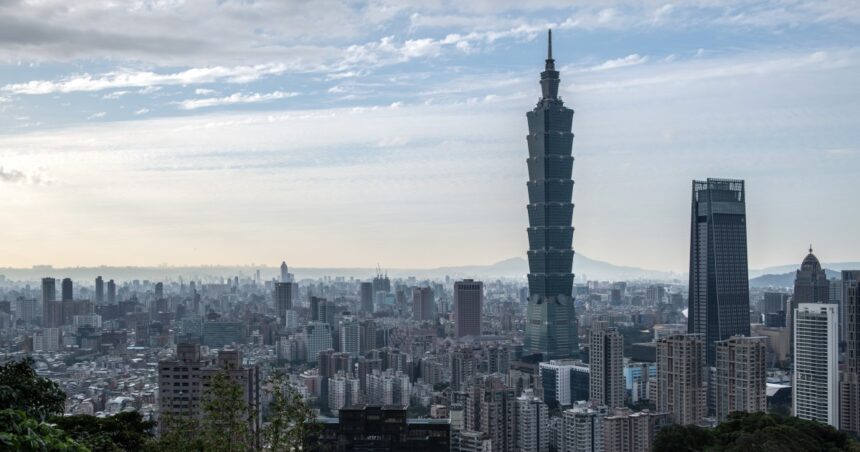
US media reports say tariffs will be reduced to 15 percent in exchange for TSMC’s investment.

Posted on January 13, 2026
Taiwan and the United States have reached a “general consensus” on a trade pact that would reduce American tariffs on Taiwanese exports, officials in Taipei said.
Taiwan’s Trade Negotiations Office said Tuesday that the outlines of a deal had been reached after months of negotiations with U.S. officials.
Recommended stories
list of 4 itemsend of list
“The goal of tariff negotiations between the United States and Taiwan has always been to seek reciprocal tariff reductions without accumulating tariffs and to obtain preferential treatment under Section 232,” the office said in a statement, according to the AFP news agency.
The trade office did not immediately respond to Al Jazeera’s request for comment.
US President Donald Trump announced a 32 percent “reciprocal tariff” on Taiwanese exports in April, before reducing the rate to 20 percent in August pending new negotiations.
Countries have pledged to boost investment in the United States in exchange for tariff reductions since Trump launched his trade war last year.
Japan and South Korea agreed last year to invest $550 billion and $350 billion, respectively, to see their tariff rates cut from 25 percent to 15 percent.
Taiwan’s trade office did not provide details about the deal, but Bloomberg and The New York Times reported that the self-ruled island’s tariff rate would be reduced to 15 percent.
As part of the deal, Taiwan Semiconductor Manufacturing Company (TSMC) would agree to build at least four more production facilities in the US state of Arizona, according to Bloomberg and The New York Times, which cited unnamed officials.
TSMC, the world’s largest chipmaker and supplier to companies including Nvidia and Apple, said in March it planned to spend $100 billion on new manufacturing and packaging plants in the United States, bringing its total investment in the country to $165 billion.
Due to its strategic importance, the chipmaker has been under pressure from Washington since 2020 to expand production outside Taiwan.
The United States fears that a blockade of Taiwan by China, which claims the island as its territory, could cut off access to TSMC chips.
While TSMC has agreed to build new production facilities in the US, Japan and Germany, it continues to manufacture its most advanced chips in Taiwan.